
Micro, Small Units Get CM’s Policy Push on MSME Da: What It Means For Local Industry
By Aneel Kumar · 10 September 2026 · Source: Citeya
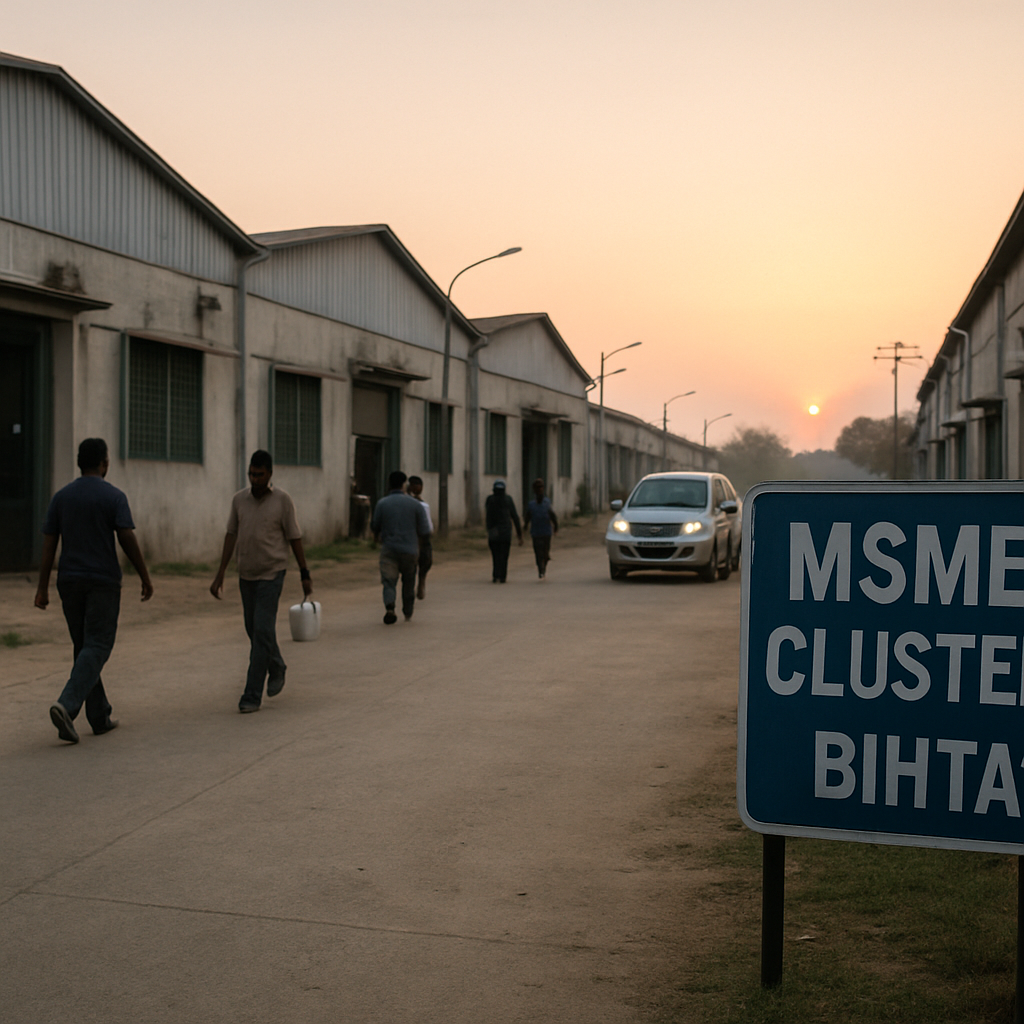
Chief ministers touring factory floors like CEOs used to be a photo-op; now that kind of attention is turning into actual policy for micro and small units. In short: state leaders are combining site visits, budget clues and new departments to nudge micro and small firms toward hiring and exporting, below I explain what's changed, why it matters, and a five-step checklist you can use right away.
Why the sudden attention? Because officials see jobs, and politicians see measurable wins. The Bihar cabinet cleared three new departments to chase a one crore jobs target, a public goal that changes how state policy treats small businesses and training programs New Indian Express. That number is loud, it forces policy alignment, and it pushes micro, small units into direct focus.
Why Chief Ministers Are Moving On Micro Units Now
Basically, the political math is obvious, small firms create jobs quickly at the local level. Ministers show up at clusters because quick, visible wins register in employment stats and sometimes bump local exports. For example, a recent inspection by Bihar CM Nitish Kumar at Bihta highlighted export prospects and job creation in operational MSME units, and local reporting captured the visit as praise for those outcomes Times of India.
The truth is that central signals amplify state action. Karnataka industry bodies welcomed the MSME push in the Union Budget 2026 while flagging gaps, which shows there's momentum from Delhi but implementation still matters on the ground Times of India. That tension explains why CMs are not waiting.
Put bluntly: policy pressure has moved down to the state and district level.
What Policy Changes Look Like At State Level
Not every state is playing the same game. Maharashtra has a formal policy for IT and IT-enabled services that grants 24/7 industry status and enhanced incentives, showing how targeted status shifts can change operating conditions fast India Briefing. Officials in Maharashtra packaged industry-status and subsidy signals into a policy that directly alters costs and schedules for firms.
Bihar pursued an administrative route. The cabinet cleared three new departments to chase job and education goals, a structural step that reorganizes how resources are directed at skills and enterprise support New Indian Express. Creating departments is a start, sure, but it's no guarantee of better training or easier market access.
Case Study: Nitish Kumar’s Bihta Visit And Bihar’s Department Push
Officials said CM Nitish Kumar inspected three operational MSME units in Bihta and praised the export potential and jobs created, and local coverage presented the visit as a signal to investors and entrepreneurs Times of India. The visit matters because it links a named authority to on-ground results.
That visit sits beside the cabinet decision to set up three departments aimed at youth jobs and higher education. The one crore jobs target in Bihar is the anchor number for those departments, it's public and measurable New Indian Express. The after is instructive: before, small units were scattered across ministries, after, they have clearer administrative pathways to grants and training programs. But actual funding and delivery remain the hard part, and officials will be judged on that, I honestly think that's where the rubber meets the road.
Trade-Offs And The Common Misconception About MSME Support
The common myth is that a visit by a chief minister equals instant funding and solved problems. The evidence suggests otherwise. Press coverage shows visits get attention, but policy outcomes depend on follow-through in budgets and rules Times of India on Union Budget reactions. Experts say budget announcements need matched state-level schemes to matter.
To be fair, targeted status changes like Maharashtra's 24/7 industry status change a firm's operational calculus, they change costs and compliance windows, but they don't automatically fix market linkages India Briefing. Officials must balance quick political wins against durable reforms.
Don't mistake a photo-op for policy delivery: a visit gets headlines, not always money or follow-through.
How Micro Units Can Respond Practically To The Policy Push
Micro, small units should treat state attention as a window not a guarantee. Start by mapping which department owns your priority, then apply for any fast-track registration or status that cuts costs. For instance, if your work sits in IT-ITES, Maharashtra's 24/7 industry status shows how a formal designation can change operating hours and support eligibility India Briefing. If your unit is in Bihar, track the new departments and the one crore jobs program because hire-train schemes will likely route through them New Indian Express.
This is where exporters have an edge, they tend to get noticed. CM inspections like the Bihta visit singled out units with export potential, which means demonstrating export-readiness can attract state backing or facilitated linkages to trade bodies Times of India. The practical steps are clear: register, seek status, document jobs created, and apply for targeted schemes.
Frequently Asked Questions
Q: Will a CM visit guarantee funding for my micro unit? A: No, a visit raises visibility but doesn't guarantee funding. Reporting shows CM inspections and praise happen, yet budget and departmental rules determine actual support Times of India.
Q: How soon will Bihar's new departments affect hiring programs? A: Officials have set a one crore jobs target which shapes priorities, and the cabinet's department changes create the administrative structure to push programs, but implementation timing depends on budget cycles and scheme design New Indian Express.
Q: Does Maharashtra's IT-ITES policy model apply to manufacturing micro units? A: Some tools apply, like industry status and subsidy windows, but the policy is tailored to IT and services and the incentives differ; manufacturing units should seek equivalent state manufacturing or cluster schemes India Briefing.
Action Checklist And Forward Step
Micro, small units get CM’s policy push on MSME Da should be treated as an actionable policy moment. Officials have created department-level pathways, states offer status benefits, and political visibility can unlock market access, but only if businesses play their part. Follow this five-step checklist now:
1) Identify which state department covers your sector, 2) Apply for any special status or registration that cuts costs, 3) Document employment and any export potential, 4) Monitor state budget announcements and scheme guidelines, 5) Reach out to local industry bodies that track implementation.
My takeaway: move now, keep records of what you do, and press officials to turn attention into actual funding. The focus is on converting political attention into firm-level advantage, and Micro, small units get CM’s policy push on MSME Da is your cue to move from watching to submitting applications.