A city that was designed, not grown — planned in 1727, painted pink in 1876, and still run on the same grid three centuries later.
Most Indian cities grew organically over centuries, expanding outward from a fort, a river crossing, or a trade route with no single planning moment behind them. Jaipur didn’t. It was designed, laid out, and built as a deliberate act by one ruler in the early 18th century — which is part of why it still reads today as a coherent, planned city rather than an accumulation of separate eras stacked on top of each other.
Jaipur was founded in 1727 by Maharaja Sawai Jai Singh II, ruler of the Kachwaha Rajput dynasty, whose seat of power at the time was the hilltop fort of Amber a few kilometers north. The move wasn’t arbitrary — Amber’s growing population had outgrown its water supply and the constrained space of a fort built for defense rather than for a capital city’s daily life. Jai Singh II commissioned a new capital on the plains below, built from scratch to a real plan, and named it after himself: Jaipur, “the city of Jai.”
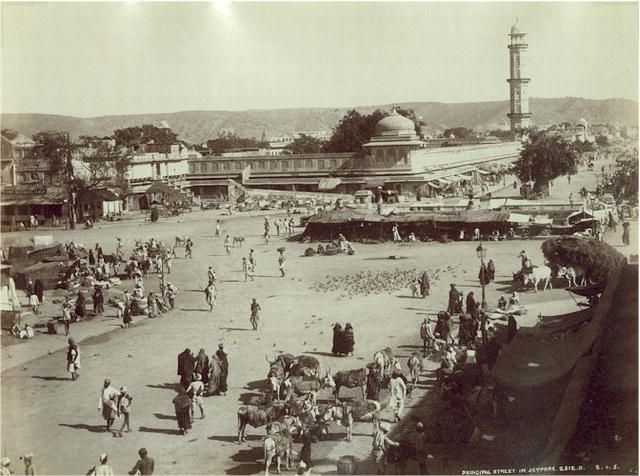
Three phases, roughly three centuries apart in character: a hilltop fort, a planned grid, and a modern metropolitan sprawl that grew around both.
Before 1727 — Amber
The Kachwaha seat was the hilltop fort of Amber, north of the modern city. Defensible, but constrained for space and water.
1727 — The walled city
A new capital laid out on the plains in nine rectangular sectors (chowkris), split by wide straight streets — the grid still intact today.
1949 onward — Modern Jaipur
As Rajasthan's capital, the city spread far beyond its walls — C-Scheme and Civil Lines first, then Malviya Nagar, Vaishali Nagar, Mansarovar and outward.
What makes Jaipur genuinely unusual among historic Indian cities is that its layout follows a deliberate architectural plan. Jai Singh II, himself a serious astronomer and mathematician, worked with the architect Vidyadhar Bhattacharya to lay the city out on principles drawn from Vastu Shastra — a grid of wide, straight streets dividing the city into nine rectangular sectors, or chowkris. Two of the nine held the City Palace complex and its gardens; the rest were allotted to different merchant and craft communities, many of which still define specific bazaar streets today by the same trades their original occupants practiced. Grid-planned urban design was rare anywhere in the world in the early 1700s.
The signature color isn’t original to the founding. In 1876, Maharaja Sawai Ram Singh II — who ruled from 1835 to 1880 — ordered the city painted terracotta pink to welcome the visiting Prince of Wales, Albert Edward, later King Edward VII. Pink carried a traditional association with hospitality in Rajasthani custom, making it a deliberate gesture rather than an aesthetic whim. The tradition stuck: building regulations in the old walled city still require the same pink-toned scheme today, a century and a half later. Ram Singh II is notable for a second reason too — he was a genuinely serious early photographer, and some of the oldest surviving photographic documentation of 19th-century Jaipur was made under his own patronage.
The Kachwaha succession from Jai Singh II to the family today — including the two adoptions, in 1921 and 2002, that kept the line going.
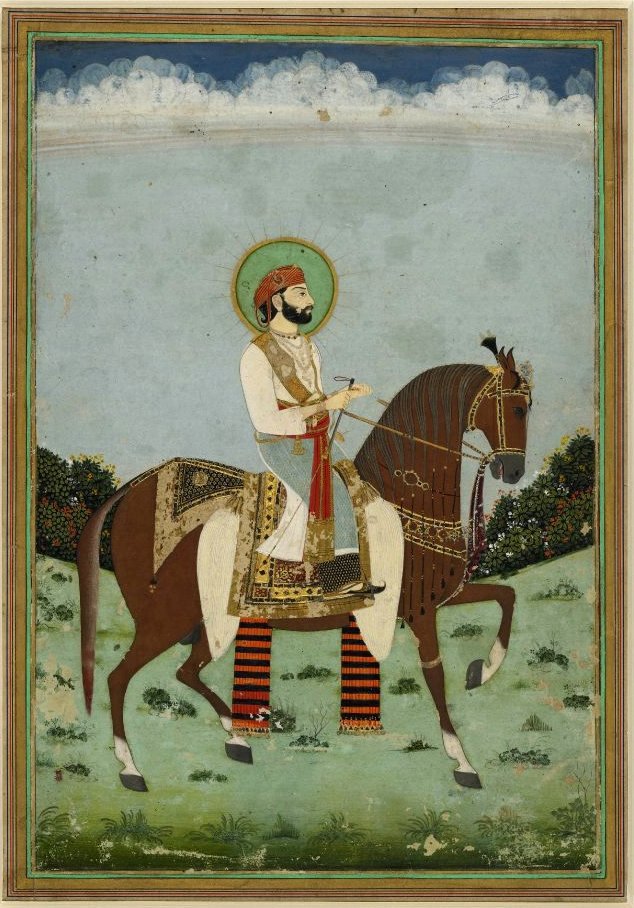
Founded Jaipur in 1727. Astronomer, mathematician, and the driving force behind the city's grid plan and the Jantar Mantar observatory.
Son of Jai Singh II; the second ruler of the new city.
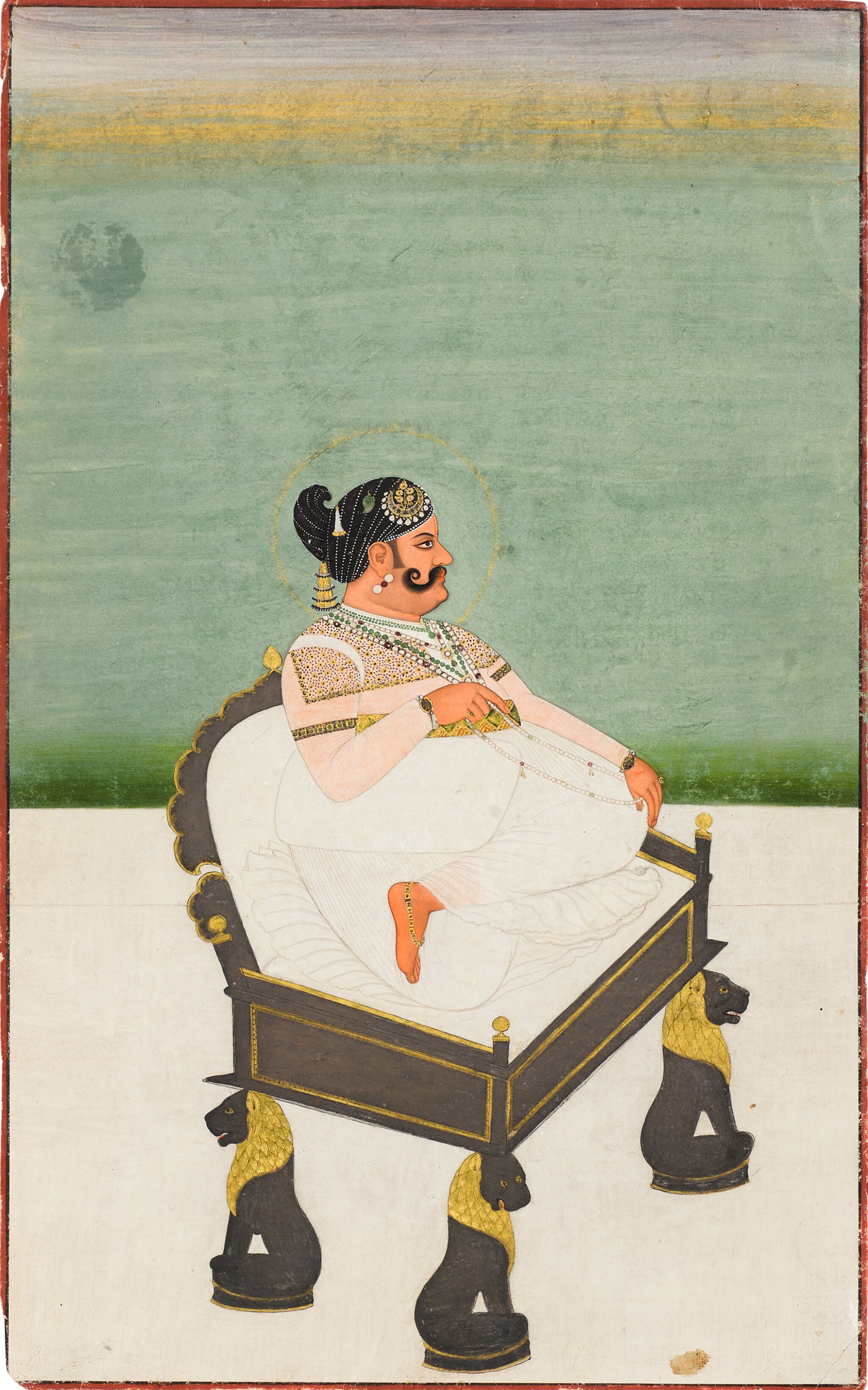
Younger son of Jai Singh II, succeeding his elder brother. Sawai Madhopur is named for him.
Grandson of Jai Singh II; came to the throne as a child and died at sixteen.
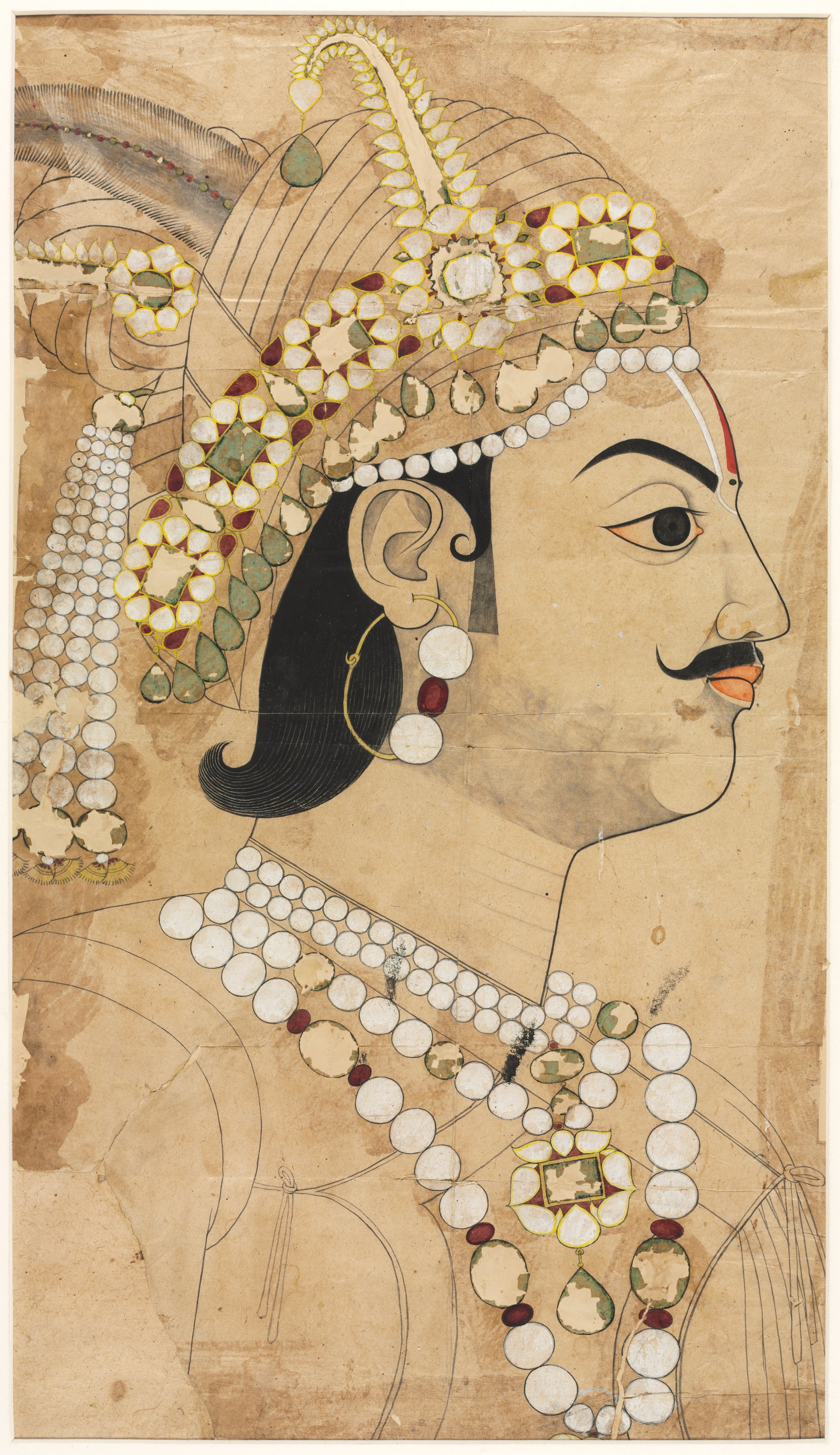
Commissioned Hawa Mahal in 1799. A serious patron of the arts who kept an atelier of some fifty painters at his court.
Son of Pratap Singh; his reign ended without a surviving heir in place.
Born after his father's death and placed on the throne as an infant, with the state run by regents.
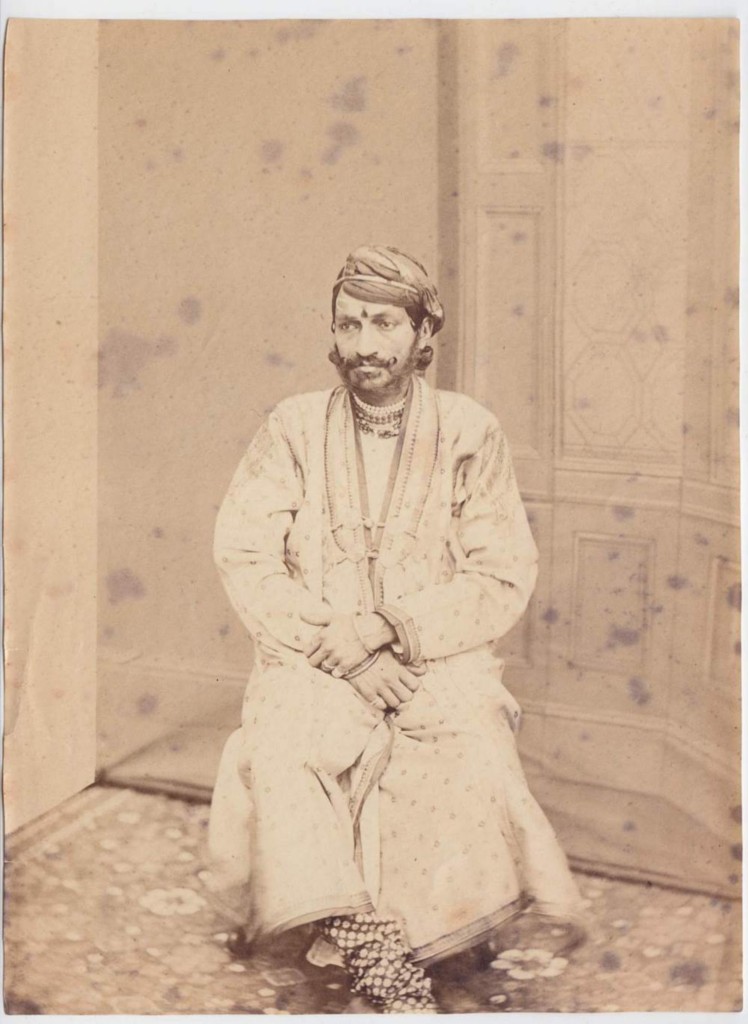
Ordered the city painted pink in 1876 to welcome the Prince of Wales. A serious early photographer in his own right.
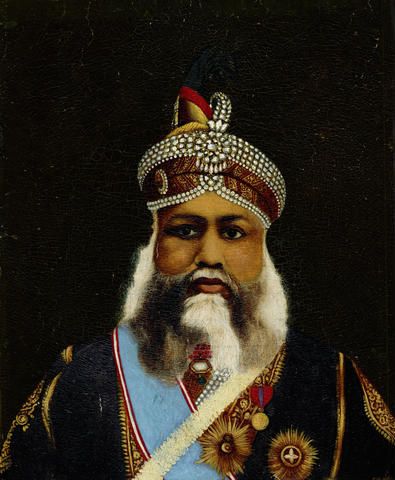
Having no biological son, formally adopted his heir at a City Palace ceremony in 1921.
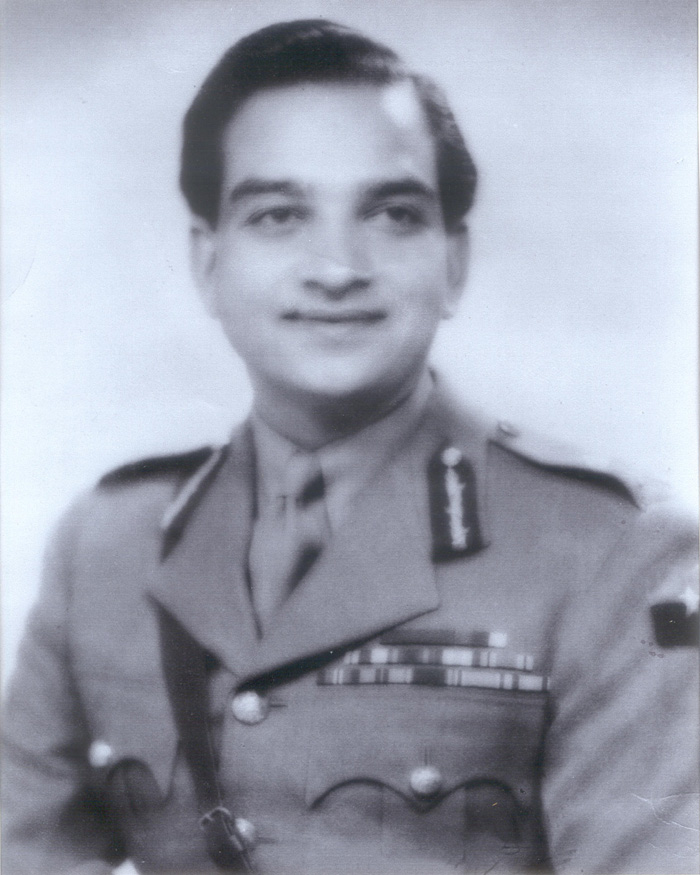
Adopted from Isarda in 1921. The last ruling Maharaja — he signed Jaipur State into the Indian Union in 1949. Married Maharani Gayatri Devi.
Commanded 10 Para Special Forces in the 1971 war; awarded the Maha Vir Chakra, and later the Param Vishisht Seva Medal.
Bhawani Singh's only child. Deputy Chief Minister of Rajasthan since December 2023.
Adopted as heir by his grandfather in 2002; head of the family since 2011. Holds no constitutionally recognized title.
Every ruler of Jaipur State from its founding in 1727 through the 1949 merger into independent India, continuing to the family today. Portraits are public-domain period works where they exist; no portrait is shown for rulers without one, or for living family members. Regencies and short interregnums — several rulers came to the throne as children — aren’t shown separately.
Padmanabh Singh, born in July 1998, became head of the family on Bhawani Singh’s death in 2011, at the age of twelve, having been formally adopted as heir by his grandfather in a City Palace ceremony in 2002. He holds no constitutionally recognized title — the 26th Constitutional Amendment ended official recognition of India’s princely titles in December 1971 — but is widely and informally referred to as Jaipur’s Maharaja by the family, the local public, and the media. He is known publicly primarily as an internationally competitive polo player and for the family’s continued involvement with the City Palace and its museum.
His mother, Diya Kumari — Bhawani Singh’s only child — built a public career well beyond the family’s ceremonial role: she has been elected to public office representing Rajasthan and has served as Deputy Chief Minister of Rajasthan since December 2023. Between the family’s stewardship of the City Palace’s heritage and Diya Kumari’s active political career, the line founded in 1727 remains a visible part of the city three centuries later — not just a historical footnote.
1727
Maharaja Sawai Jai Singh II moves his capital down from the hilltop fort of Amber and builds a new planned city on the plains below.
1720s–30s
Architect Vidyadhar Bhattacharya lays the city out in nine rectangular sectors on Vastu Shastra principles. Jai Singh II builds the Jantar Mantar observatory beside his palace.
1799
Sawai Pratap Singh commissions the honeycomb facade, designed so royal women could watch the street unseen.
1876
Sawai Ram Singh II has Jaipur painted terracotta pink to welcome the visiting Prince of Wales. The color — and the nickname — stuck.
1921
With no biological son, Sawai Madho Singh II adopts Man Singh II from Isarda at a City Palace ceremony.
1949
Two years after Indian independence, the princely states of Rajputana merge into the new state of Rajasthan — with Jaipur as its capital.
1971
The 26th Constitutional Amendment ends official recognition of India's princely titles, privileges, and privy purses.
2019
The Walled City is inscribed by UNESCO, specifically for its town planning and architecture — a rare distinction for a densely inhabited, still-working city center.
Amber Fort — sometimes spelled Amer — predates Jaipur by centuries and isn’t simply an older neighborhood of the same city. It was the independent seat of the Kachwaha dynasty long before Jaipur existed, a hilltop fort-palace complex built up over generations. When the capital moved down to the new planned city, Amber didn’t disappear: it remained a significant fort and pilgrimage site, and today it’s usually the single most-visited attraction in the greater Jaipur area.
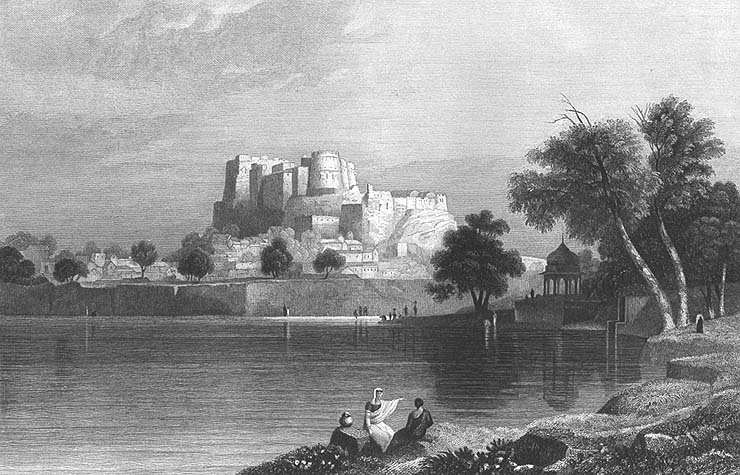
In July 2019, UNESCO inscribed the Walled City of Jaipur as a World Heritage Site, specifically citing its town planning and architecture — the grid, the chowkris, the integration of commercial, residential, and royal space into one coherent design. It’s a relatively rare distinction for a still-functioning, densely inhabited city center rather than a preserved ruin, and it formalized internationally what had been true locally for nearly three centuries: that Jaipur’s old city isn’t just old, it’s a deliberately designed piece of architecture that has kept working, largely as intended, since 1727.
Nearly three hundred years on, walking from the City Palace out through one of the old city gates along a street still lined with the same trade guild’s shops it was built for is one of the more direct ways to feel that history in a living city rather than read about it — worth doing at least once alongside the attractions, hidden gems, and markets that grew up inside the plan Jai Singh II laid down in 1727.