
Marco Rubio Visits India: What’s at Stake With Tru
By Aneel Kumar · 11 September 2026 · Source: Citeya
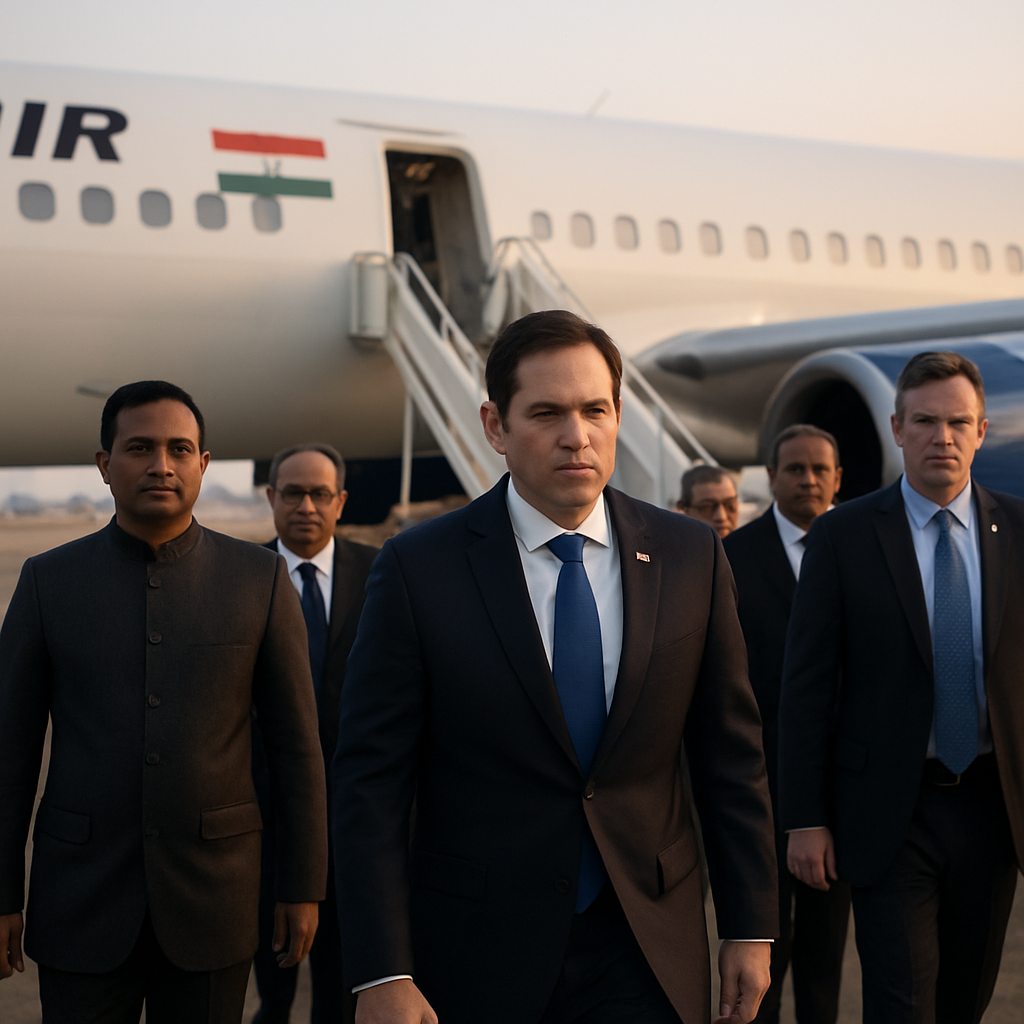
A senior U.S. senator lands in New Delhi with reporters watching, business delegations trailing, and diplomats calculating how a short visit could ripple across trade, tech, and security. Bottom line: this trip isn't just for the cameras, it's about shaping what a Trump-influenced Washington might ask of India on defense and investment, and it's putting business leaders on the spot to pick a side. Meta
Let's be blunt. The headline phrase, Marco Rubio visits India: What’s at stake with Tru, isn't just clickbait. It frames a tight question about how a leading Republican voice is positioning U.S.-India ties as the United States contemplates policy under Trump. The trip matters for practical reasons, and it matters for signaling.
What Rubio Is Doing In India And Why It Matters
Officials say he's meeting ministers, business executives and think-tank analysts, and, honestly, that mix tells you he's trying to test how far he can push new policy ideas without blowing up the relationship. The truth is this isn't only diplomacy; it's political positioning. Rubio's meetings map where Republican foreign policy might go if the party leans toward transactional alliances and hard-edged rival containment.
I think his schedule is meant as both probe and pitch: probe reactions to policy shifts, and pitch a model of deeper security cooperation tied to economic incentives.
No fluff: this matters.
Economic Stakes: Trade, Investment, And Market Access
Trade is where the ledger is written. The U.S. and India have fought over market access for years; tariffs and regulatory barriers remain a live headache for exporters and investors. For U.S. exporters, the question is whether a Republican-leaning Washington will push for stricter trade terms or accept looser, security-driven trade frameworks that prioritize defense partnerships over tariff reductions. That matters to sectors from agriculture to semiconductors.
Put bluntly: if the U.S. trades deeper defense cooperation for slow tariff relief, some tech and defense companies win big while farmers and exporters get the short end. The evidence suggests business groups in both countries want clearer schedules for tariff reduction, while national security advisors focus on industrial cooperation and supply chain resilience. That tension is why Rubio's conversations about investment commitments and industrial collaboration are critical; they're testing whether the U.S. will tie trade opens to security outcomes.
Security Stakes: Defense Cooperation And Regional Balance
India is a player in a strategic chessboard that includes maritime routes, China, and U.S. alliances. Rubio's agenda, according to briefings that political reporters have emphasized, includes strengthening defense ties, promoting interoperability, and nudging India toward closer alignment on China-related issues.
But India also wants to keep its strategic independence and still buys kit from Russia and others, that complicates things, obviously. So what's at stake? Push too hard, and you risk pushing New Delhi back toward nonaligned postures. Offer pragmatic tech transfers, financing, and high-end equipment, and you can pull India into a looser but durable security partnership. Officials have framed this as balancing India's autonomy with shared interests, and Rubio's role is to test which incentives actually work.
Political Stakes: Messaging, Alliances, And The Vote
The senator's trip carries a domestic angle. Senators visiting foreign capitals shape voter narratives at home, and they shape the foreign policy baseline for a return to Trump-era priorities. Experts note these visits can set a tone that later becomes policy defaults. To be fair, politicians also use trips to burnish credentials on foreign policy. That has real implications when Congress later votes on funding, or when administrations decide whether to prioritize defense credits over trade concessions.
Quick point: there's a political angle back home that can't be ignored.
How This Affects Policy Toward an America Under Trump
Rubio's presence helps set expectations for what a future Trump administration might demand or offer. The truth is policy levers could shift depending on whether the White House wants concessions for tighter defense ties or prefers a blunt transactional approach that squeezes market access for security gains. That split will show up in export controls, visa policies, and semiconductor supply chain actions. Officials have suggested that some Republican policymakers favor stricter export rules to limit technology transfer to China, while promising partners like India better access to certain technologies if they align strategically.
Bottom line: watch the levers.
A Concrete Scenario: A Defense Deal, Tariffs, And Political Optics
Imagine a concrete sequence: Rubio helps negotiate a framework where the U.S. offers co-production of military drones, India agrees to prioritized procurement from U.S. suppliers, and in return the U.S. delays demanding immediate tariff cuts on steel and agricultural products. That would be a classic trade-off, with industry winners and losers. The result: advanced defense industrial ties grow, some U.S. farming exports see delays, and political leaders on both sides claim wins.
The practical trade-off is visible. Businesses that sell high-tech components win. Farmers lose ground in the short term. Political messaging shifts to security wins, and domestic constituencies respond accordingly.
Common Misconceptions Addressed
Many think a short congressional visit is purely symbolic, yet available records of past visits show bargaining starts long before formal treaties. The symbolism and the substance are often fused; visits set the table for deals. Another misconception is that closer security ties automatically yield tariff relief. That is wrong. Negotiations rarely trade security for immediate full-market access without phased commitments and legal guarantees.
Does Rubio's visit lock India into an anti-China bloc? Not necessarily. Available diplomatic statements over years show India prefers strategic independence. The senator's job is to make alignment seem attractive, not mandatory.
Honestly, I would watch how New Delhi frames any announcements, tone matters more than headlines.
Practical Takeaway
If you're a business leader or analyst, pay attention to three things: announcements on co-production of defense tech, timelines for tariff talks, and any memoranda on supply chain cooperation. Act now by asking your trade office for scenario planning, because policy shifts will create both short-term disruptions and long-term opportunities. The immediate action is clear: update your risk models and open a dialogue with procurement or government relations teams to position for either security-led procurement or a trade-litigation environment.
Frequently Asked Questions
Frequently Asked Questions
Q: Will Rubio's visit change India-US trade policy overnight? A: No. Trade policy changes through negotiations and legislative action, which takes months. A visit can accelerate talks and set priorities, but implementation will lag.
Q: Does this mean India will side with the U.S. against China? A: Not automatically. India values strategic autonomy, according to repeated official statements from New Delhi. Visits can nudge policy but rarely erase longstanding preferences.
Q: Should companies expect immediate defense contracts? A: Expect announcements and frameworks first, then contracts later. Co-production deals often include pilot projects before large procurement orders.
Marco Rubio visits India: What’s at stake with Tru appears in agendas, press releases, and investor strategy memos now. Make a plan. Act fast.