
The History of Jaipur: How a Maharaja Built a City From Scratch
Most old cities grew by accident. Jaipur didn't. Its history is the story of one ruler who sat down with an architect and drew a whole capital on a grid.
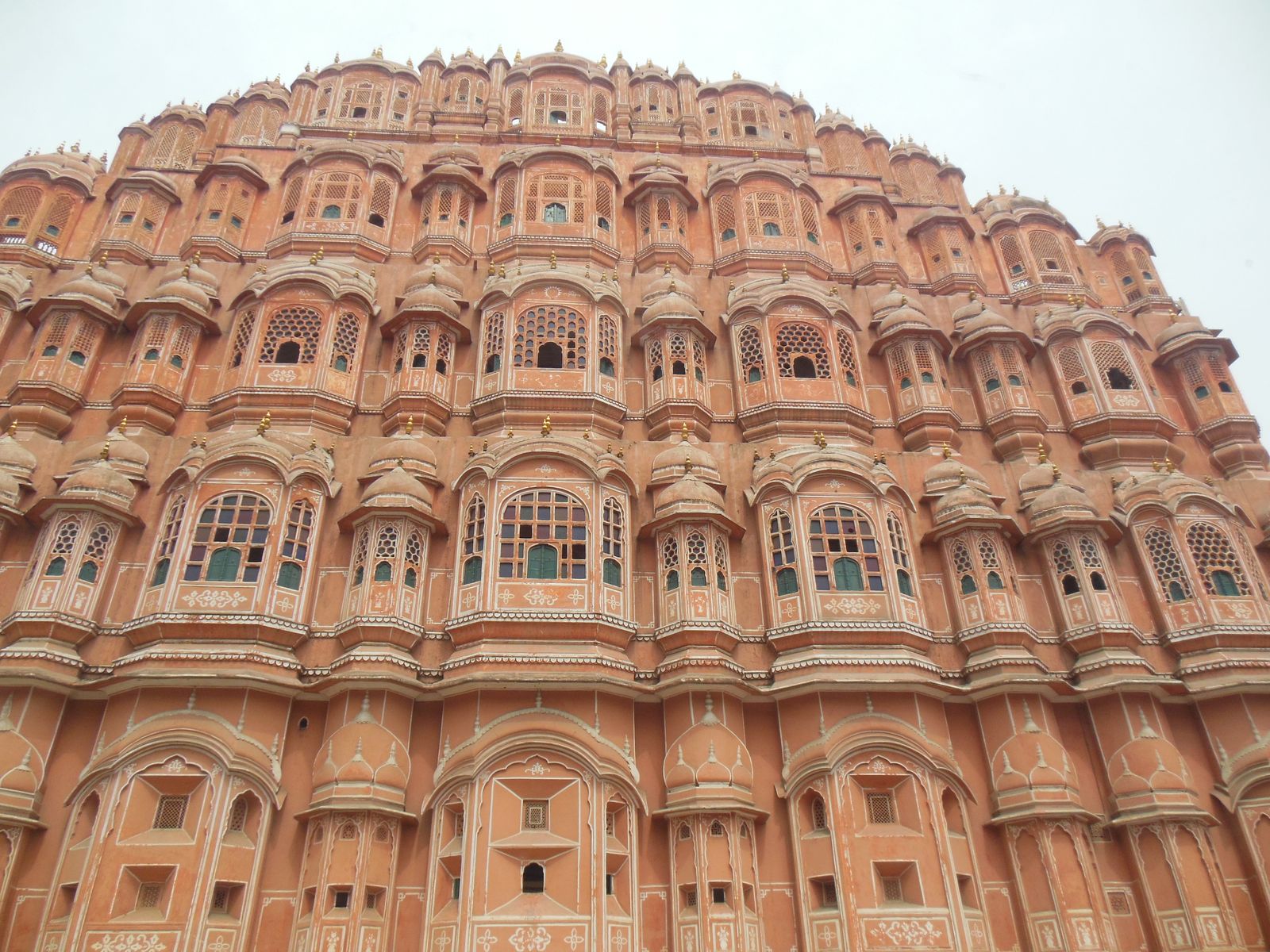
Here's the thing most people get wrong about Jaipur history. The city didn't just grow. It was designed, on paper, before a single wall went up. That alone makes it unusual, and it's why the old town still reads like a diagram if you look at it from Nahargarh. The founder was Sawai Jai Singh II, and he moved his capital down from the hill fort of Amer to the plains in 1727. Why leave a perfectly good fort? Water, mostly, and space. Amer was cramped and the population had outgrown it. So he did something almost no Indian ruler of the era did: he planned an entirely new city and named it after himself.
A city on a grid
Jai Singh worked with a Bengali scholar-architect, Vidyadhar Bhattacharya, and together they laid Jaipur out on a nine-block grid drawn from principles in old Vedic texts. Nine squares, wide straight bazaars crossing at right angles, and the palace complex sitting where it should. To be fair, grids weren't new to the world. But a planned grid city in 1727 India was genuinely ahead of its time, and UNESCO said as much when it added the walled city to the World Heritage list in 2019. Walk Johari Bazaar today and you're walking a street that was drawn before it existed. That still amazes me a little.
The obsession with the sky
Jai Singh was a mathematician before he was anything else. He built five observatories across northern India, and the one here, the Jantar Mantar, was finished in 1734 and is the largest and best preserved of them. It's a garden of giant stone instruments, and the sundial, the Samrat Yantra, is accurate to about two seconds. UNESCO recognised it separately, back in 2010. You could argue the man cared more about tracking planets than running a kingdom. The instruments certainly suggest a ruler who found the heavens more interesting than court politics.
So when did it turn pink?
Not in 1727. The famous colour came much later. In 1876 the city was painted its now-trademark terracotta pink to welcome the Prince of Wales, the future Edward VII, and the walled area has been repainted in that shade ever since by law. So the "Pink City" nickname is real, but it's a Victorian-era coat of paint on a much older plan, not the original colour of the stone. That's a detail worth knowing before you repeat the postcard version.