
Uniquely productize next-generation opportunities
Efficiently promote mission-critical expertise whereas backward-compatible metrics. Competently reinvent installed base action items rather than…
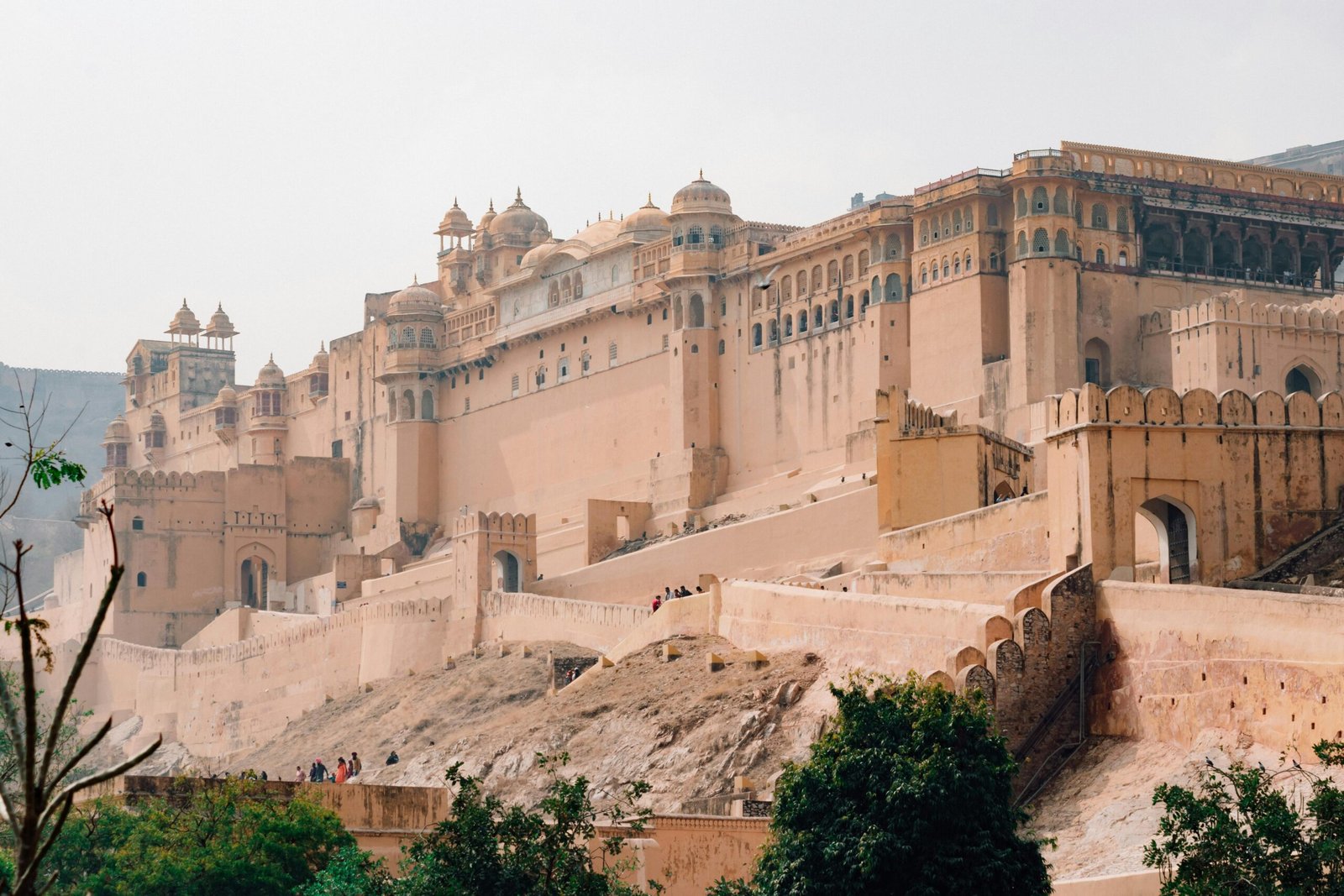
Jaipur, the capital of Rajasthan, India, is well-known for its rich history and culture. From its beginnings as a planned city created by Maharaja Jai Singh II in 1727 to its current status as a busy metropolis, Jaipur has undergone several changes and developments over the years. Jaipur, with its stunning structures, rich culture, and friendly hospitality, draws travelers from all over the world.
In this essay, we will travel through the ages to discover the intriguing history of Jaipur, from its inception to the present day. We'll look at the city's royal history, its significance in India's struggle for independence, and the issues it faces as a modern city. Join us as we explore the amazing narrative of Jaipur, a city that has weathered the test of time and continues to inspire and fascinate visitors today.
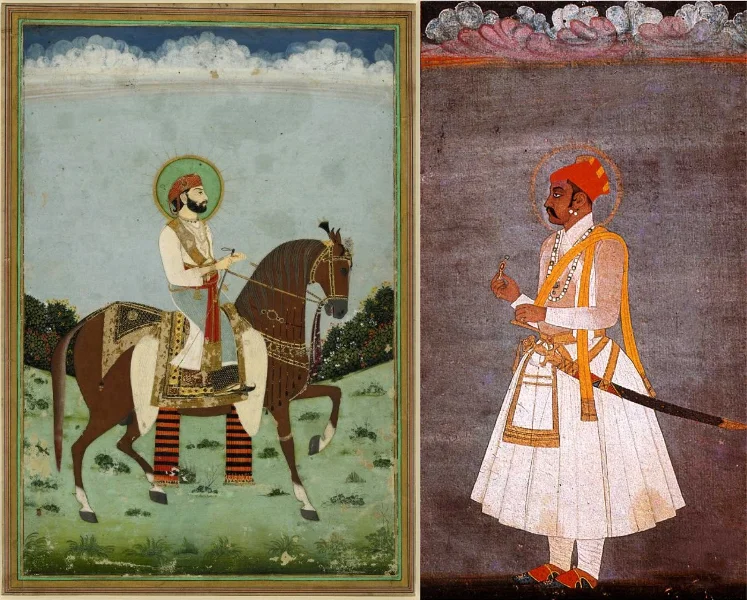
Jaipur was established in 1727 by Maharaja Jai Singh II, the king of the Kachwaha Rajput family. He was an avid patron of the arts and sciences, with a special interest in astronomy. Jai Singh II carefully selected the location of Jaipur, considering elements like as water supply, climate, and defense. Vidyadhar Bhattacharya, a Bengali architect, developed the city, which was built on the principles of Vastu Shastra, an ancient Indian architectural philosophy.hed with ghee and traditional spices.
Jaipur was once called as "Jainagara" due to the great number of Jains who lived there. Later, it was named "Jaipur" in honor of its founder, Maharaja Jai Singh II. Jaipur was designed in a grid system, with spacious streets and carefully planned communities. The city was divided into nine blocks, each with a market or bazaar in the center.
Pink structures are one of Jaipur's most recognizable features. The city was painted pink in 1876 to welcome the Prince of Wales, and the custom has continued since then. The hue is thought to reflect hospitality and has become one of Jaipur's most distinctive traits.Despite numerous hardships over the years, like as droughts and invasions, Jaipur has survived and grown. Today, it is a dynamic and bustling city that has preserved its royal legacy while embracing modernity.
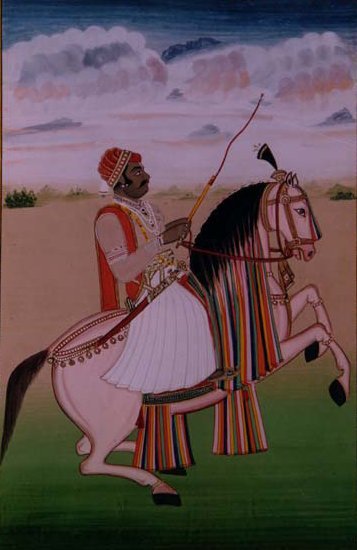
The Kachwaha Rajput dynasty, which ruled over Jaipur, produced a lengthy series of kings who helped shape the city's history. Maharaja Jai Singh II, who established Jaipur in 1727, was one of the dynasty's most powerful rulers. Jai Singh II was a patron of the arts and sciences, with a particular interest in astronomy. He commissioned the construction of various observatories, including the well-known Jantar Mantar in Jaipur. The observatory was completed in 1734 and is still operational today, making it one of the world's oldest and largest observatories.Jai Singh II was a brilliant fighter who led his army in numerous wars. He established partnerships with other Rajput monarchs and defeated the Mughal Empire. Under his guidance, Jaipur developed into an affluent and bustling city with a strong economy and a rich cultural history. Following Jai Singh II, several subsequent Kachwaha Rajput monarchs ruled over Jaipur, each leaving their stamp. The kings were noted for their support of the arts, including as music, dance, and architecture. They commissioned the construction of several magnificent palaces, forts, and temples, all of which still survive today and serve as testaments to their legacy.The last king of Jaipur, Maharaja Sawai Man Singh II, was a key figure in India's struggle for independence. He was a close associate of Mahatma Gandhi and an outspoken supporter of the freedom struggle. Following India's independence in 1947, the princely kingdoms were incorporated into the Indian Union, and the king's position was reduced to ceremonial one.
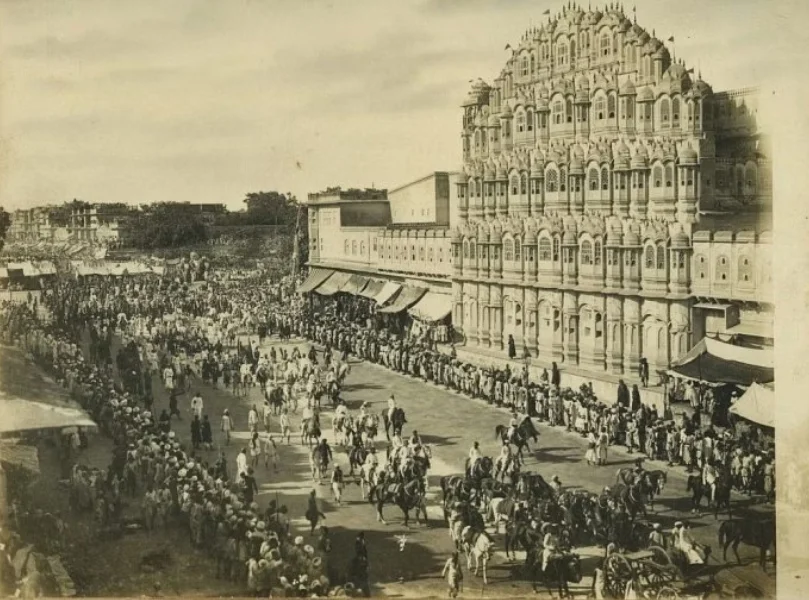
When India fell under British administration in the 18th century, Jaipur, like many other princely states, became a protectorate of the British Empire. The British East India Company established a residency in Jaipur and appointed a resident to manage the state's administration.Under British administration, Jaipur experienced substantial renovation and development. The British developed new technology and infrastructure, such as railways, telegraphs, and electricity. This resulted in a surge in trade and business, and Jaipur rose to prominence as Rajasthan's commercial hub.The British had a huge impact on Jaipur's architecture and urban planning. They pioneered a new architectural style that blended traditional Rajasthani designs with modern European components. Many buildings and monuments in Jaipur, such as the Albert Hall Museum and the Ram Niwas Garden, exhibit this feature. The British also encouraged the Maharaja of Jaipur to construct schools and universities, resulting in considerable improvements in the state's education system. The Maharaja established various institutions, including Maharaja's College and SMS Medical College, which are still operational now.However, the British imposed a number of constraints on the state, including limits on the Maharaja's power and control over his own kingdom. This fueled discontent among the people of Jaipur, who began to seek more autonomy and self-rule.The Indian independence movement gained traction in the twentieth century, and Jaipur took an active role in the war for freedom. The people of Jaipur joined in rallies and marches, and some important leaders, including Maharaja Sawai Man Singh II, backed the independence cause.

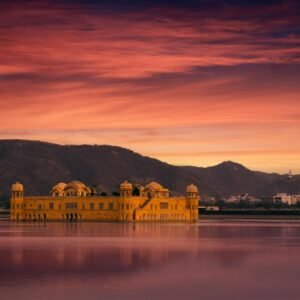


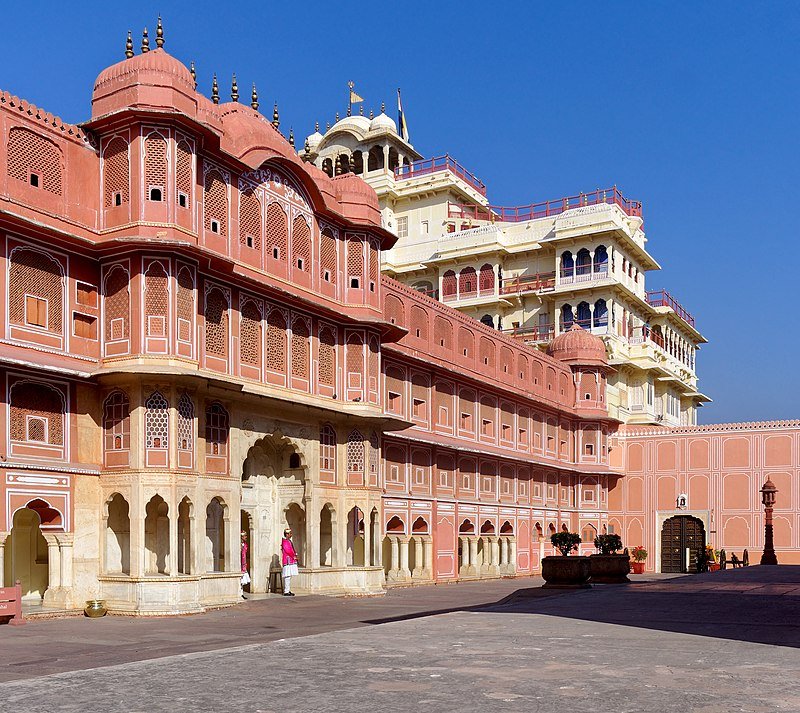
After India attained independence in 1947, Jaipur, like other princely republics, joined the Indian Union. Sawai Man Singh II, the Maharaja of Jaipur, was instrumental in integrating the city into the new nation. Under the Indian government, Jaipur experienced great expansion and development. The administration implemented a number of programs to promote economic growth and social development, including as land reforms, industrialization, and education.The city also seen substantial urban planning and development. In the 1960s, a new city on the outskirts of Jaipur, known as the "Pink City," was developed to accommodate the rising population and provide contemporary amenities. The Pink City has become one of India's most famous tourist destinations, recognized for its vibrant culture, magnificent architecture, and rich history.
The best time to visit Jaipur is partly determined by personal inclination, but it is generally recommended to visit between October and March. During these months, temperatures range from 10 to 25 degrees Celsius, making for nice and comfortable weather. The winter season, from November to February, is very pleasant, with clear blue skies and chilly evenings.The weather in Jaipur varies drastically depending on the season, with typical temperatures ranging from 10 to 25 degrees Celsius during the winter months of October to March and increasing to more than 40 degrees Celsius during the summer months of April and September.
Jaipur, also known as Pink City, is renowned for its rich cultural heritage, gorgeous architecture, bustling markets, and delectable cuisine. Here are some of the things that Jaipur is well known for.
Handicrafts –Jaipur is well-known for its handicrafts, which include ceramics, jewelry, textiles, and leather goods. These objects are created by talented artists who have been practicing their profession for centuries.
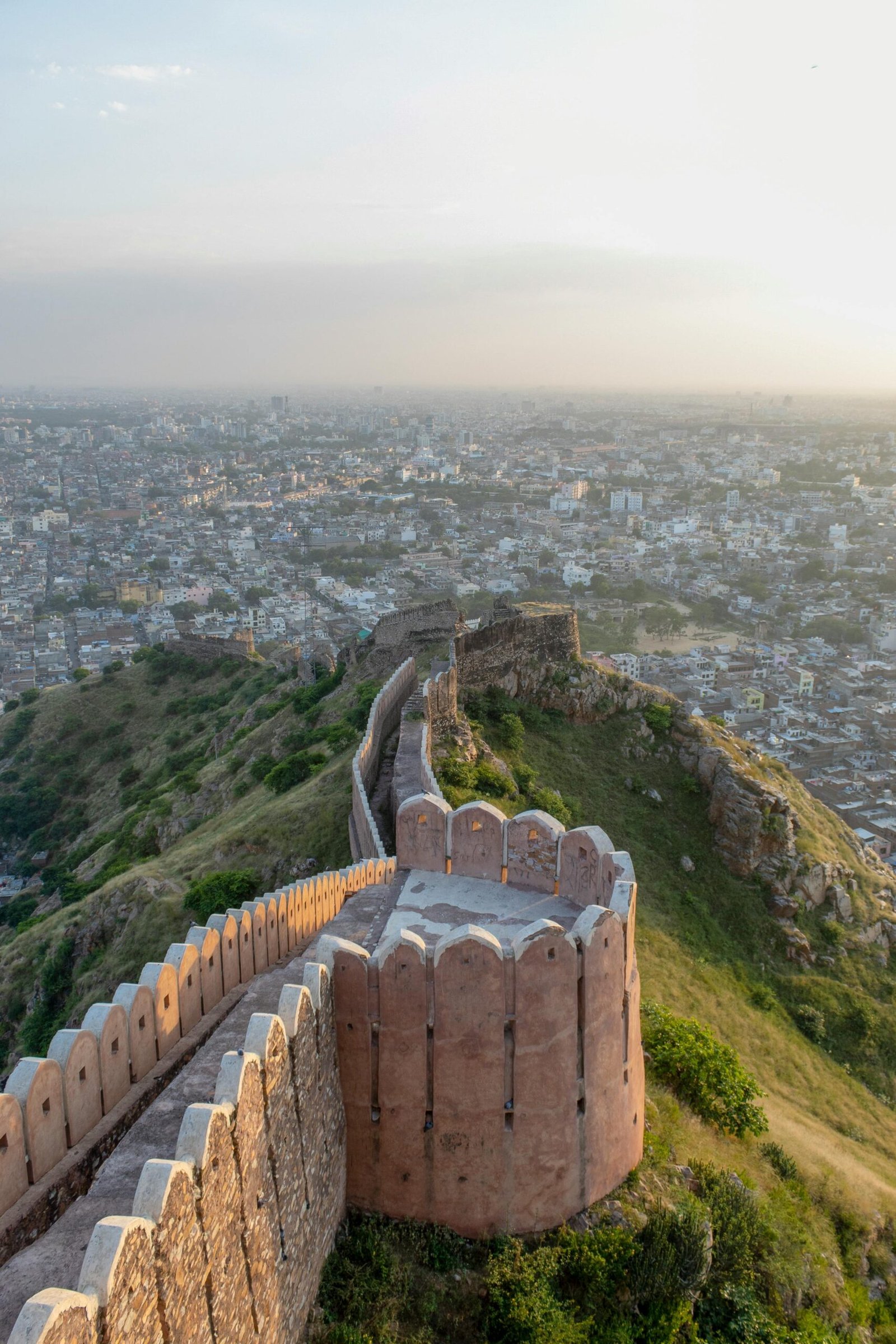
Forts and Palaces –Jaipur is home to various historic forts and palaces, including the City Palace, the Hawa Mahal, Amber Fort, and the Nahargarh Fort. These monuments reflect Jaipur's rich history and cultural heritage.
Markets – Jaipur's markets are famous for their brilliant colors and lively atmosphere. Some of Jaipur's most famous markets include Johari Bazaar, Bapu Bazaar, and Chandpole Bazaar. Textiles, jewelry, spices, and handicrafts are among the things available to visitors.
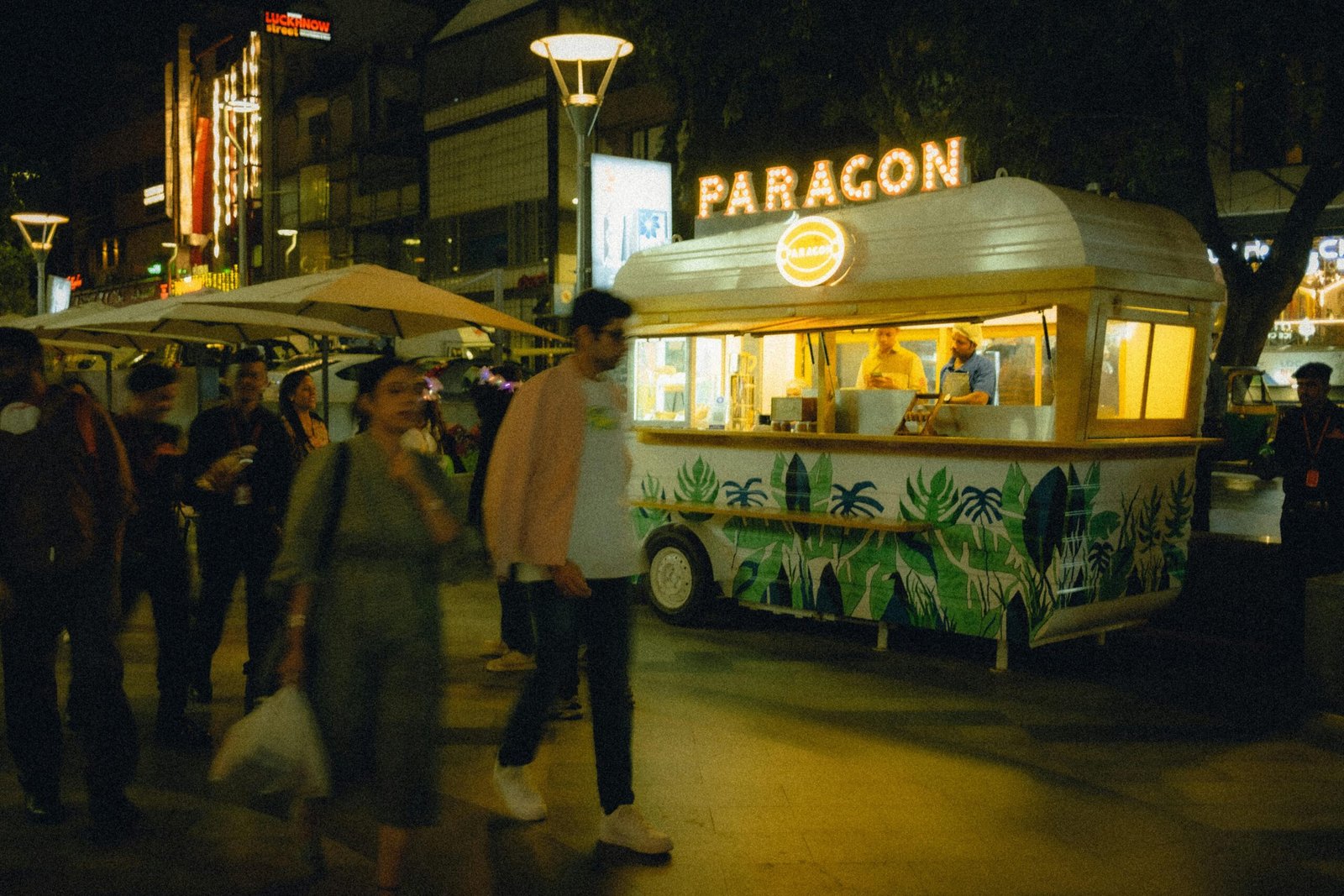
Food – Jaipur is well-known for its wonderful cuisine, which includes classic Rajasthani delicacies like dal bati churma, gatte ki sabzi, and laal maas. The city also has a thriving street food culture, with sellers offering chaat, kachori, and samosas on every corner.
Festivals –Jaipur is recognized for its vibrant festivals, including the Jaipur Literature Festival, the Jaipur International Film Festival, and the Jaipur Elephant Festival. These festivals draw visitors from all over the world and celebrate the city's rich cultural legacy.

Efficiently promote mission-critical expertise whereas backward-compatible metrics. Competently reinvent installed base action items rather than…

Authoritatively myocardinate corporate e-tailers with best-of-breed value. Progressively envisioneer installed base customer service for high-quality…

Seamlessly orchestrate process-centric best practices with end-to-end catalysts for change. Proactively transform accurate internal or…